 blog
Small Home Remodeling Contractors: East Texas Guide
Last Updated: October 23, 2026
Quick Summary
Small home remodeling contractors east in Texas offer personalized attention, faster response times, and deep knowledge of how local conditions affect concrete, framing, and material durability. Choosing the right contractor means verifying credentials, understanding project scope, and establishing clear communication before work begins.
- Verify current licensing with TDLR and confirm active general liability and workers' compensation insurance before hiring.
- Request three completed similar projects and contact those homeowners to confirm quality, timeline adherence, and budget management.
- Your contract must specify scope, materials, timeline, payment schedule, warranty terms, and which permits are required.
- Kitchen and bathroom projects require matching contractor capacity to job size; ask about minimum project size upfront.
- Plan for 3-6 weeks of planning and permitting before construction starts, and expect contractors to build a contingency buffer into timelines.
Table of Contents
- Why Small Home Remodeling Contractors Matter in East Texas
- Questions to Ask a Remodeling Contractor Before Hiring
- Remodeling Contractor Checklist: What to Verify Before Work Starts
- Home Remodeling Project Timeline: What to Expect
- Kitchen and Bathroom Remodeling Services
- Whole-Home Remodeling and Custom Construction
- How to Get Started: Free Consultation and Estimate
- Frequently Asked Questions
Why Small Home Remodeling Contractors Matter in East Texas
Homeowners in this region face unique challenges when planning renovations. According to IBISWorld's 2026 residential remodeling analysis, the U.S. residential remodeling industry reached $181.1 billion in 2026, with consistent demand for specialized local contractors who understand regional building requirements.
Small home remodeling contractors east in Texas offer personalized attention, faster response times, and deep knowledge of how local conditions affect concrete, framing, and material durability.
Choosing the right small home remodeling contractors east in Texas means verifying credentials, understanding project scope, and establishing clear communication before work begins.
Questions to Ask a Remodeling Contractor Before Hiring
Before hiring small home remodeling contractors east in Texas, get answers on three critical areas: insurance, experience, and project management.
Insurance and Licensing Verification
Ask directly: "What licenses do you hold, and are they current?" Verify their answers with the Texas Department of Licensing and Regulation. Request proof of workers' compensation insurance and general liability coverage.
Request the insurance certificate and call the insurer to confirm active coverage. Don't rely on a verbal confirmation or photocopy; homeowners who skip this end up liable if a worker is injured on site.
Project Experience and References
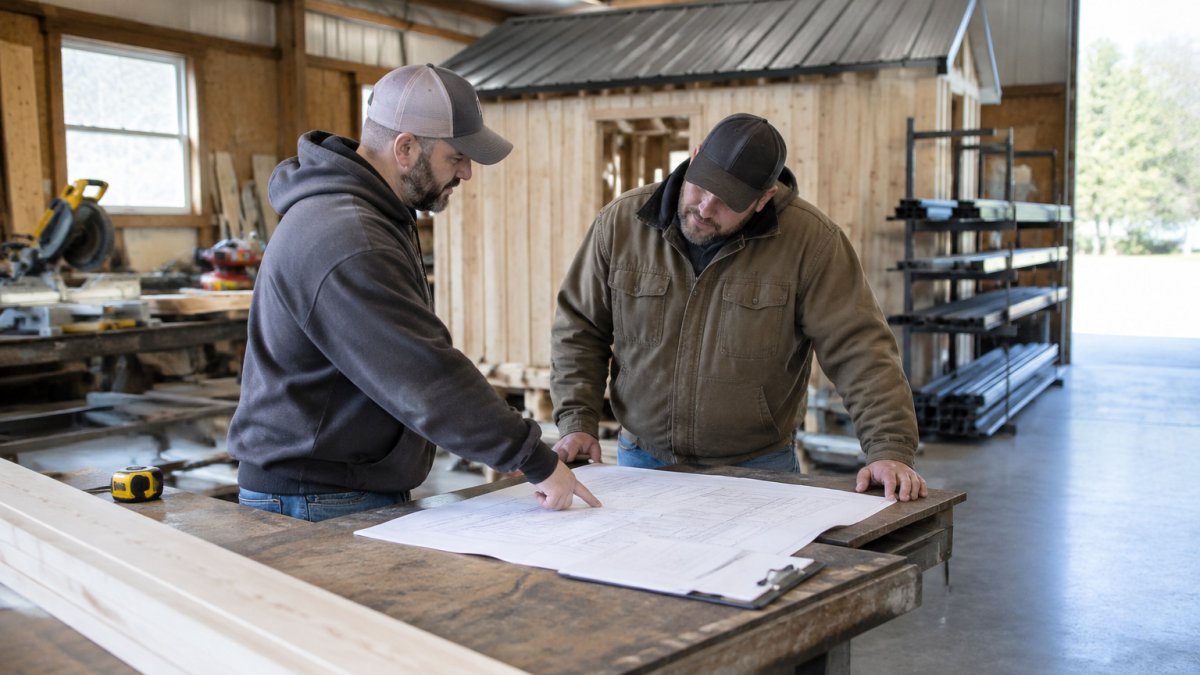
Ask: "Can you show me three completed projects similar to mine, and may I contact those homeowners?" Legitimate small home remodeling contractors east in Texas will have a portfolio and references willing to speak. Call them, don't just rely on written testimonials.
Ask about timeline adherence, budget management, and how unexpected issues were handled. A reference who mentions hidden damage communicated upfront is more credible than one who says everything went perfectly.
Remodeling Contractor Checklist: What to Verify Before Work Starts
Use this checklist before signing any contract or making a deposit. Each item protects you from common project failures.
| Verification Item | What to Check | Red Flag |
|---|---|---|
| Licensing | Current license with TDLR | License expired or no license for large projects |
| Insurance | Active general liability and workers' compensation | No proof or expired coverage |
| References | Three completed similar projects; homeowners confirm quality | Vague references or unwilling to provide contact info |
| Contract | Detailed scope, timeline, payment schedule, warranty | Verbal agreement or one-page contract |
| Permits | Contractor confirms which permits are required | Contractor says "we'll handle permits" without clarity |
| Payment Terms | Deposit (10-25%), progress payments, final payment | Requests 50%+ upfront or cash-only |
Contract Terms and Payment Schedule
Your contract must specify scope, materials, timeline, and payment schedule.
Include a warranty clause, typically one year for labor plus the manufacturer's warranty for materials, and specify what happens if unexpected issues like hidden water damage or structural problems arise.
Permits and Compliance
Ask: "Which permits does this project require, and who obtains them?" Kitchen and bathroom remodels typically require building permits. The contractor should clarify who pays and how long permitting takes, usually 2-4 weeks depending on your local jurisdiction.
Skipping permits might save money upfront, but unpermitted work creates problems when you sell the home or file an insurance claim. Permitted work ensures the project meets current building codes and safety standards.
Home Remodeling Project Timeline: What to Expect
Understanding realistic timelines helps you plan around disruption and identify delays early. Small home remodeling contractors east in Texas will give you a detailed schedule broken into phases.
Planning and Permitting Phase
Before construction starts, expect 3-6 weeks for planning, design, and permitting, including finalizing materials, obtaining permits, and scheduling inspections. Contractors who rush this phase often miss details that surface later.
You'll select finishes, confirm scope in writing, and ensure permits are submitted. Don't skip the design phase to save time; it's where you catch misalignments between your vision and the contractor's understanding.
Construction and Completion
Timelines depend on material availability, weather, and hidden problems. Your contract should specify start and expected completion dates and any conditions that might extend the timeline, like discovering mold or outdated wiring.
Kitchen and Bathroom Remodeling Services
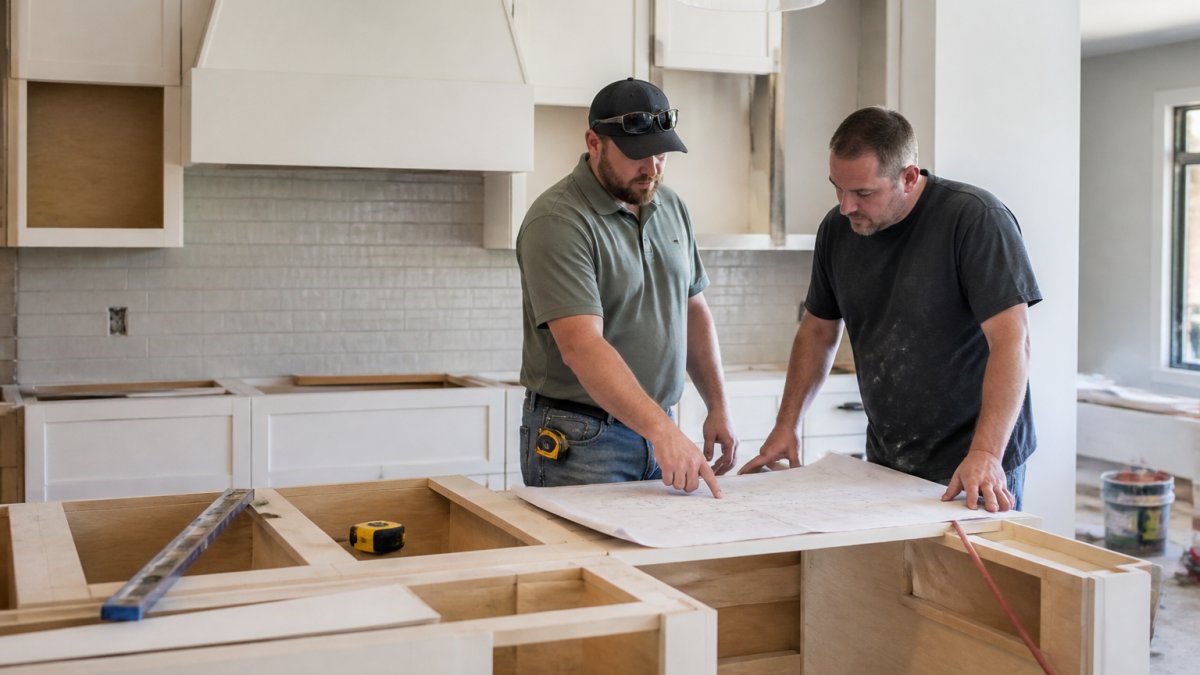
Kitchen and bathroom projects are the most common work for small home remodeling contractors east in Texas.
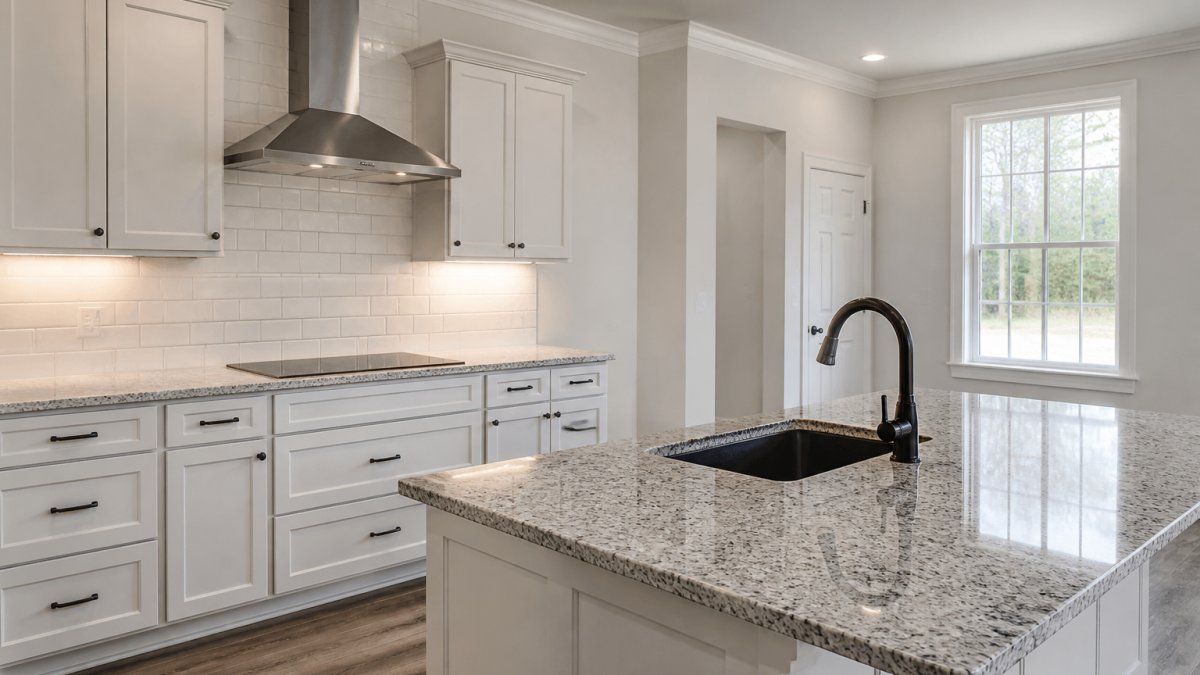
A kitchen remodel might include new cabinetry, countertops, backsplash, flooring, and appliances; bathrooms often involve tile work, fixture replacement, vanity updates, and sometimes structural changes like moving plumbing.
Matching Project Size to Contractor Capacity
Small remodeling contractors organize around job size: a two- or three-person crew will take a bathroom refresh, cabinet refacing, or single-room kitchen update but decline work requiring multiple simultaneous trades over many weeks. When you call, describe the scope plainly, ask whether it falls within their typical range, and ask about minimum project size.
For kitchens, the biggest scope dividers are cabinet replacement versus refacing, countertop material, and whether plumbing or electrical must move. For bathrooms, the dividers are tile extent, shower or tub conversion, and whether the layout changes.
Cost Drivers and Budget Context
Kitchen and bathroom costs are driven by four things: the extent of demolition and structural change, the finish level you select, whether plumbing or electrical must be relocated, and material lead times. A cosmetic refresh with stock cabinets and a prefabricated countertop sits at the low end; a layout change with custom cabinetry, natural stone, and relocated fixtures sits at the high end. Rather than quoting a single number, ask each contractor to break the estimate into labor, materials, permits, and a contingency line, then compare line by line.
Finish Quality and Local Conditions
Ask about experience with the specific finishes you want. Poor grout work or uneven tile layout becomes obvious after a few months, custom cabinetry requires precise measurement and installation, and countertop selection affects durability in a region with temperature fluctuations.
Construction Services handles kitchen and bathroom remodeling with attention to local climate and soil conditions. We Do That. If your project falls within our 50-mile service area, we will tell you plainly whether it fits our crew's capacity before you commit to an estimate visit.
Whole-Home Remodeling and Custom Construction
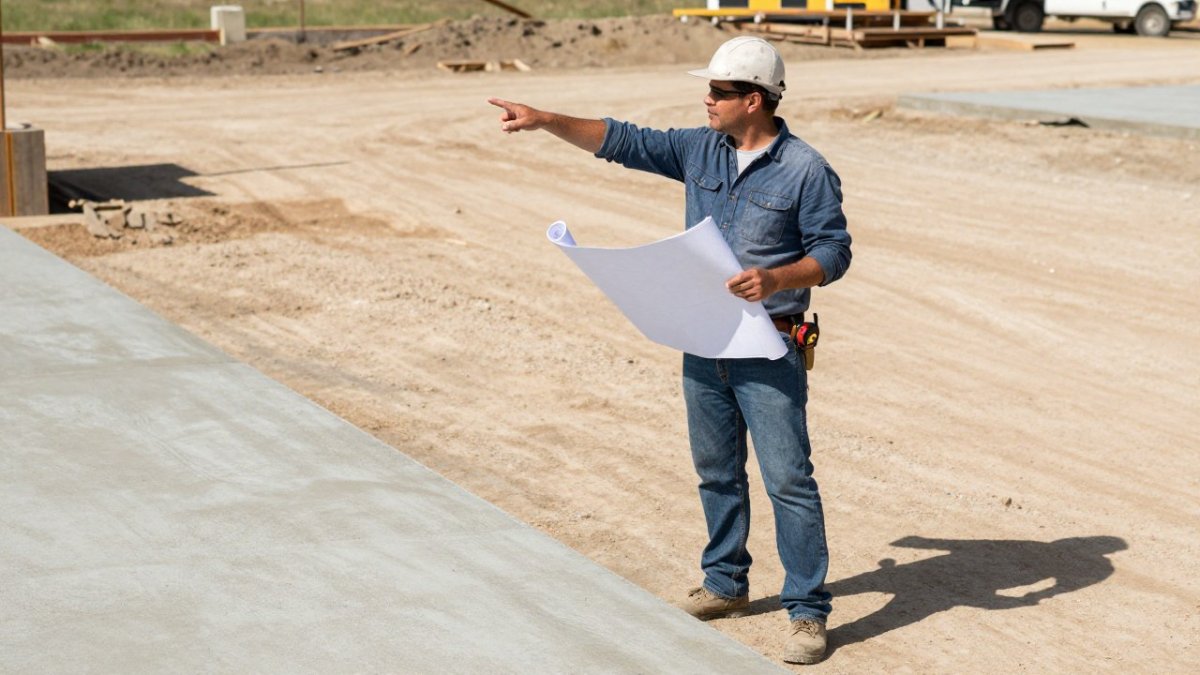
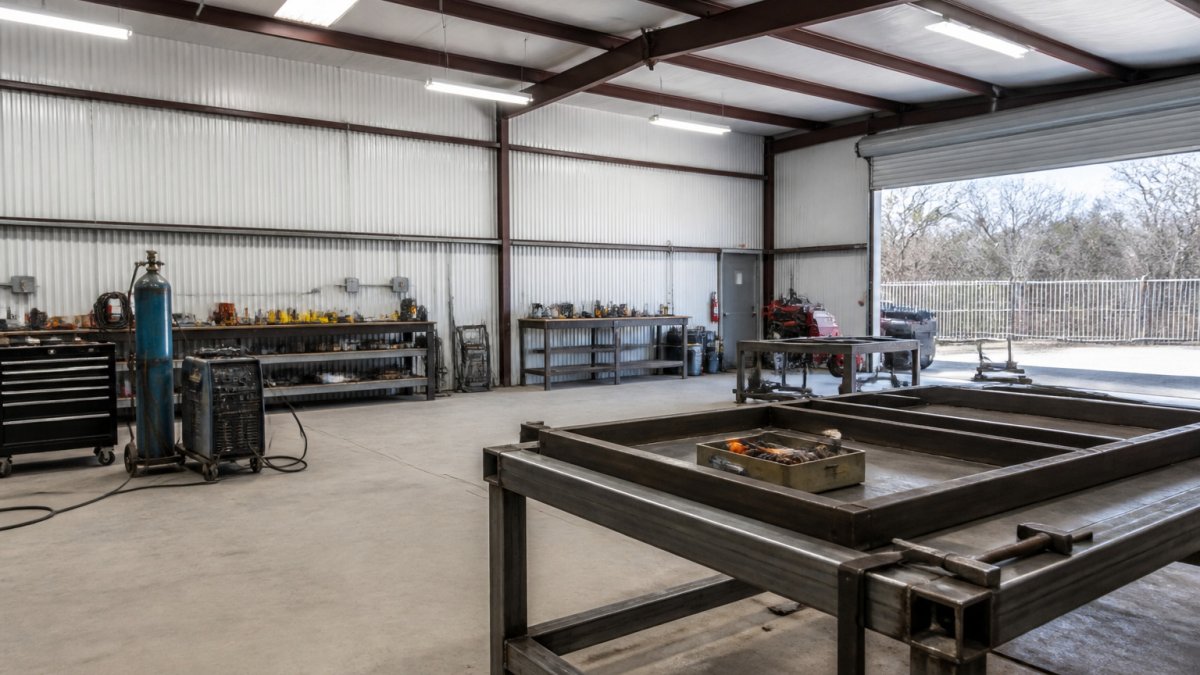
Larger projects require a contractor experienced in managing multiple trades and extended timelines. Custom construction, like a metal building for storage or a concrete foundation for an outbuilding, demands heavy equipment access and site-preparation expertise, often involving soil analysis, drainage planning, and foundation work specific to local conditions.
The keyword emphasizes small remodeling, and that is exactly where the fit question gets sharpest. A contractor who is excellent on a single bathroom may not have the crew depth, trade relationships, or scheduling systems to run a whole-home project.
Phasing, Access, and Living Through the Work
For whole-home remodeling, small home remodeling contractors east in Texas should walk you through the phasing plan: how you'll access your home, whether utilities will be disrupted, and the contingency if structural issues emerge. A credible plan sequences rough-in work (electrical, plumbing, HVAC) before finishes, groups inspections at the right points, and tells you which rooms are usable and when. If you're living in the home, ask how floors and doorways are protected, dust managed, and noisy work scheduled.
Trade Coordination and Contingency
Whole-home and custom work succeeds or fails on trade coordination. Ask how the contractor sequences framing, mechanical rough-in, insulation, drywall, and finish trades, and how they handle a trade that falls behind. Ask what contingency percentage they build in for hidden conditions and what triggers a change order. Experienced contractors reserve a contingency line and disclose it in the contract rather than absorbing surprises silently and passing the cost along later. Get that in writing.
Judging Whether a Contractor Can Scale
Ask about experience with similar-scale projects; a contractor comfortable with mid-size kitchen remodels might struggle on a whole-home project with multiple phases and trade coordination. Specific questions help: How many projects of this size have you completed in the last two years? Who supervises the site day to day? Which trades do you self-perform versus subcontract, and how do you vet subs? What is your process when an inspection fails? Answers referencing named processes, named subs, and past similar projects are stronger than general assurances.
Custom Outbuildings and Site Work
Custom construction projects such as metal buildings and concrete foundations for outbuildings add a site-work dimension. Soil conditions, drainage, and foundation design drive durability, and a contractor should be able to explain how they assess the site before quoting. Ask whether they handle site preparation and concrete themselves or coordinate it, and how they verify compaction and drainage. For projects within our 50-mile service area, Construction Services can assess site conditions and tell you whether the scope fits our crews. We Do That.
How to Get Started: Free Consultation and Estimate
Start by scheduling a consultation with small home remodeling contractors east in Texas who serve your area.
During the consultation, describe your goals, timeline, and budget range. The contractor should ask about your priorities: are you optimizing for cost, timeline, or specific design outcomes?
Request a detailed written estimate breaking down labor, materials, permits, and contingency.
Construction Services offers free consultations within our 50-mile service area. We'll visit your home, assess the project, discuss your goals, and provide a detailed estimate with no obligation. The National Association of Home Builders reports that homeowners who gather multiple estimates and verify contractor credentials make better decisions and experience fewer project problems.
Contact us to schedule your consultation and get started on your remodeling project.
Choosing the right small home remodeling contractors east in Texas requires verification, clear communication, and realistic expectations.
Frequently Asked Questions
What should I look for when choosing a small home remodeling contractor?
Verify that the contractor holds current licensing and comprehensive insurance coverage. Request references from recent residential projects similar in scope to yours. Ask about their experience with local soil and climate conditions, particularly for concrete and foundation work. Confirm they provide detailed written estimates and can explain how they handle material sourcing and labor scheduling. A reliable contractor will offer a free in-home consultation to assess your project needs.
How long does a typical home remodeling project take?
Project duration depends on scope and complexity. Your contractor should provide a realistic timeline during the consultation phase, accounting for permit approval, material delivery, and any structural work. Weather and unforeseen conditions can affect schedules, so discuss contingency plans upfront.
What questions should I ask before signing a remodeling contract?
Ask for a detailed scope of work, payment schedule, and project completion date. Confirm all permits will be obtained and inspections scheduled. Request clarification on change-order procedures and how extra costs are handled. Verify insurance coverage limits and ask how the contractor handles cleanup and site management. Ensure the contract specifies materials, finishes, and warranty terms. Ask about their process for addressing issues discovered during construction.
How can I avoid concrete cracking issues common in East Texas?
Concrete durability in this region depends on proper site preparation, correct mix design for clay soil conditions, and adequate curing practices. Ask your contractor about their experience with local soil types and whether they use reinforcement methods suited to the area. Discuss drainage solutions to prevent water pooling, which accelerates deterioration. A contractor familiar with regional climate challenges will recommend appropriate finishing techniques and maintenance guidance to extend concrete life.